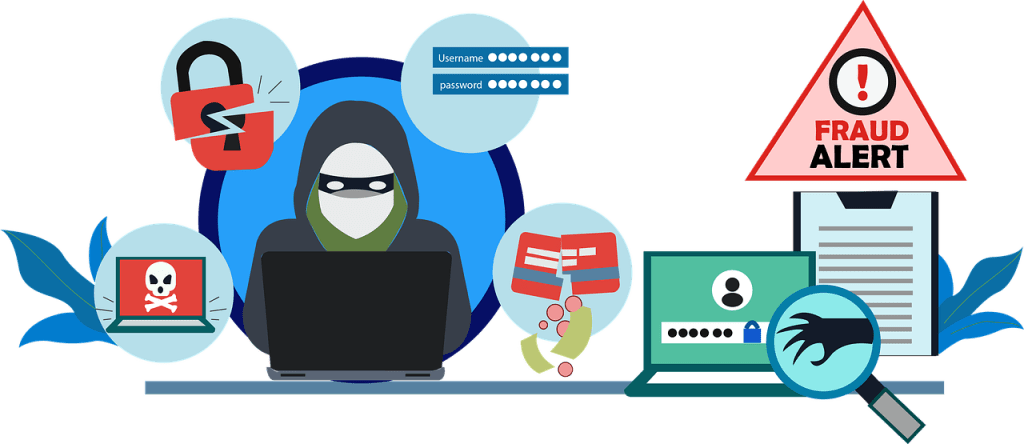
In today’s digital age, fraudsters have become increasingly sophisticated in their methods of deception. As a result, businesses and financial institutions are constantly seeking new ways to protect themselves and their customers from fraudulent activities. One such method that has gained popularity in recent years is the use of location data to detect fraud.
How can location data help in fraud detection?
Location data refers to information about the physical location of a device or user at a given point in time. This data can be collected through various sources, such as GPS, Wi-Fi, and cellular networks. By analyzing this data, businesses can gain valuable insights into the behavior of their customers and identify any suspicious activity.
For example, if a customer’s credit card is used for a transaction in New York City, but their phone is detected in Los Angeles at the same time, this could be a red flag for fraud. Similarly, if a customer’s account is accessed from a new location that they have never visited before, this could also indicate fraudulent activity.
What methods are used to analyze location data?
There are several methods that can be used to analyze location data for fraud detection purposes. These include:
1. Geofencing – This involves setting up virtual boundaries around specific locations and triggering alerts if a device or user enters or exits these boundaries. For example, if a customer’s phone enters a geofenced area where they have never been before, this could trigger an alert for potential fraud.
2. Velocity checks – This involves analyzing the speed at which a device or user is moving between locations. If a device is moving too quickly between two locations that are far apart, this could indicate fraudulent activity.
3. Device fingerprinting – This involves analyzing the unique characteristics of a device, such as its IP address, browser type, and operating system. By comparing this information with known fraudulent devices, businesses can identify any suspicious activity.
4. Machine learning – This involves using algorithms to analyze large amounts of data and identify patterns that may indicate fraudulent activity. Machine learning can be particularly effective in detecting complex fraud schemes that involve multiple transactions and locations.
Conclusion
Location data can be a valuable tool for businesses and financial institutions in the fight against fraud. By analyzing this data, businesses can gain insights into the behavior of their customers and identify any suspicious activity. However, it is important to ensure that any use of location data is done in accordance with privacy laws and regulations to protect the rights of customers.
 The Data Detective